Get free shipping on your first order: enter your email →

Sourcing

Every coffee we sell comes with its sourcing record: where it was grown, who processed it, and what processing methods were applied.

We source through trusted importers, which means we buy lots as they become available and not always close to harvest. Green coffee stays stable far longer than roasted coffee, and we slow its aging further by vacuum sealing and freezing it on arrival. We take it out only when it’s time to roast.

Current Lineup

VELDT Burundi Nyabiraba Kinama 12 oz bag
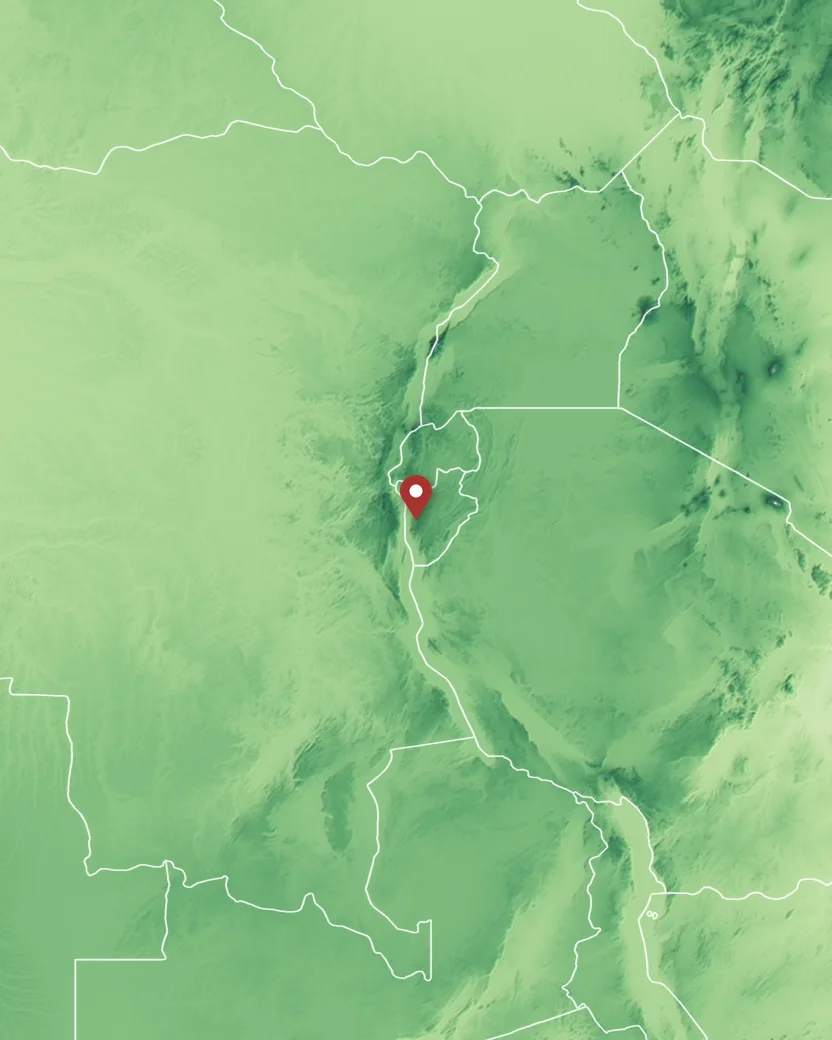
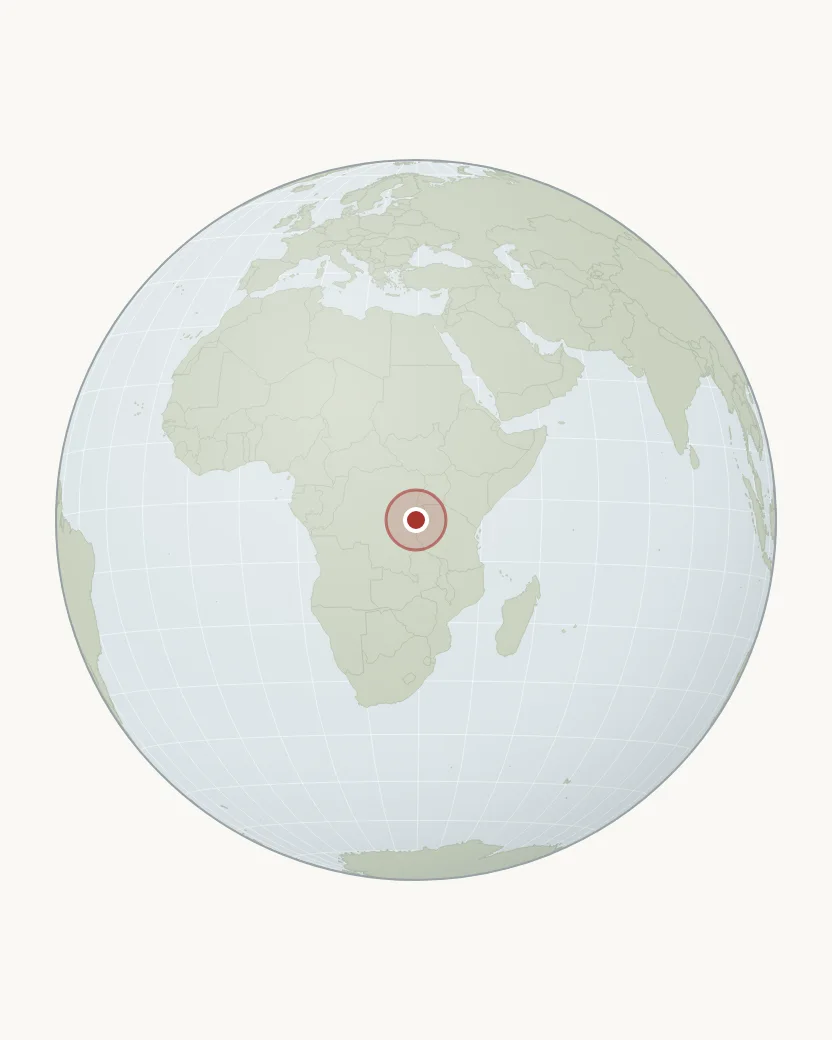
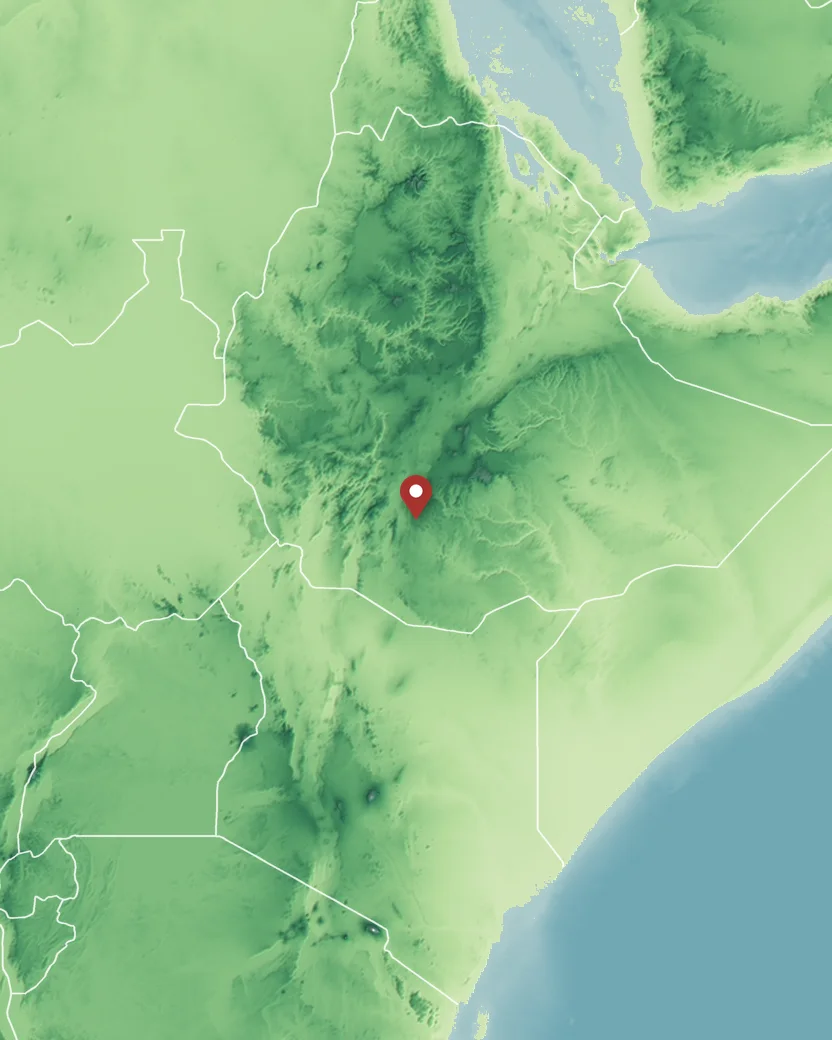
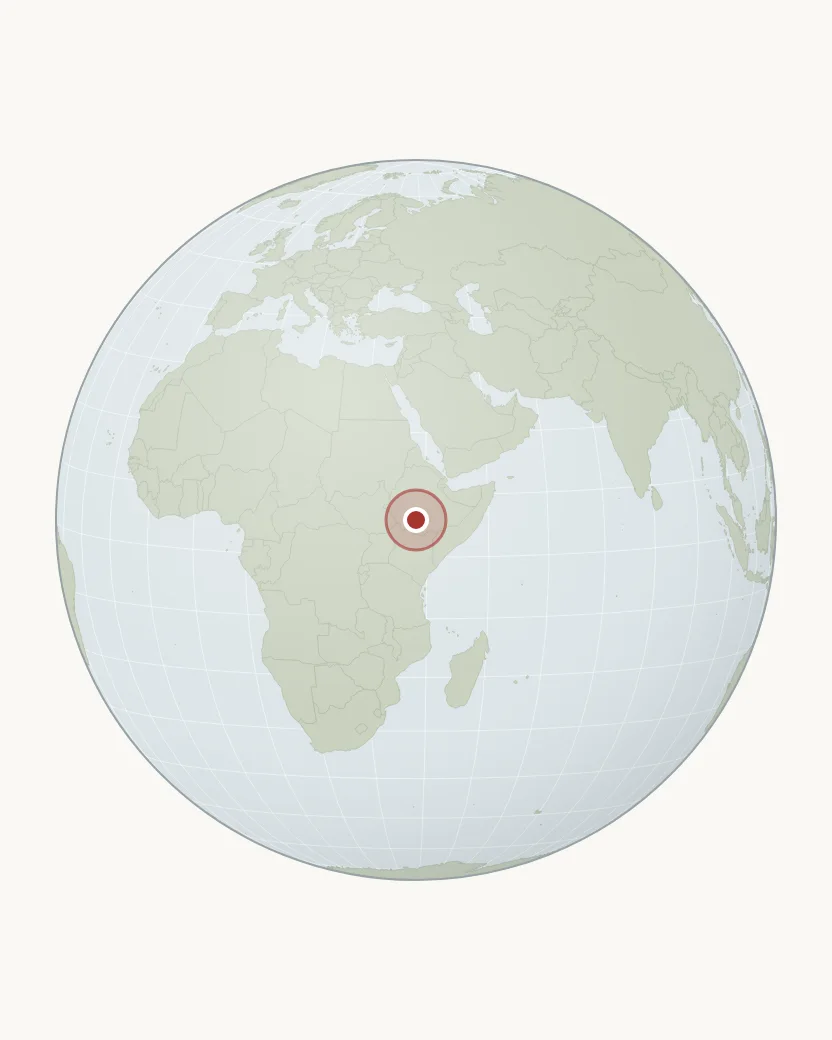
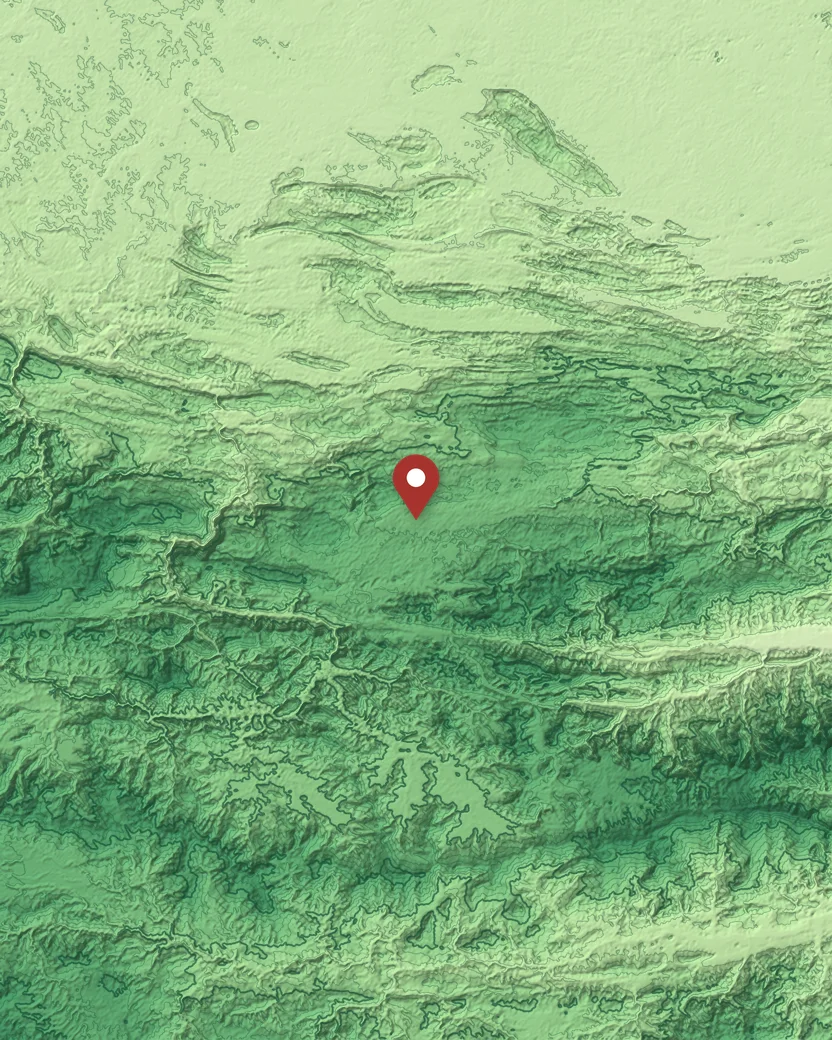
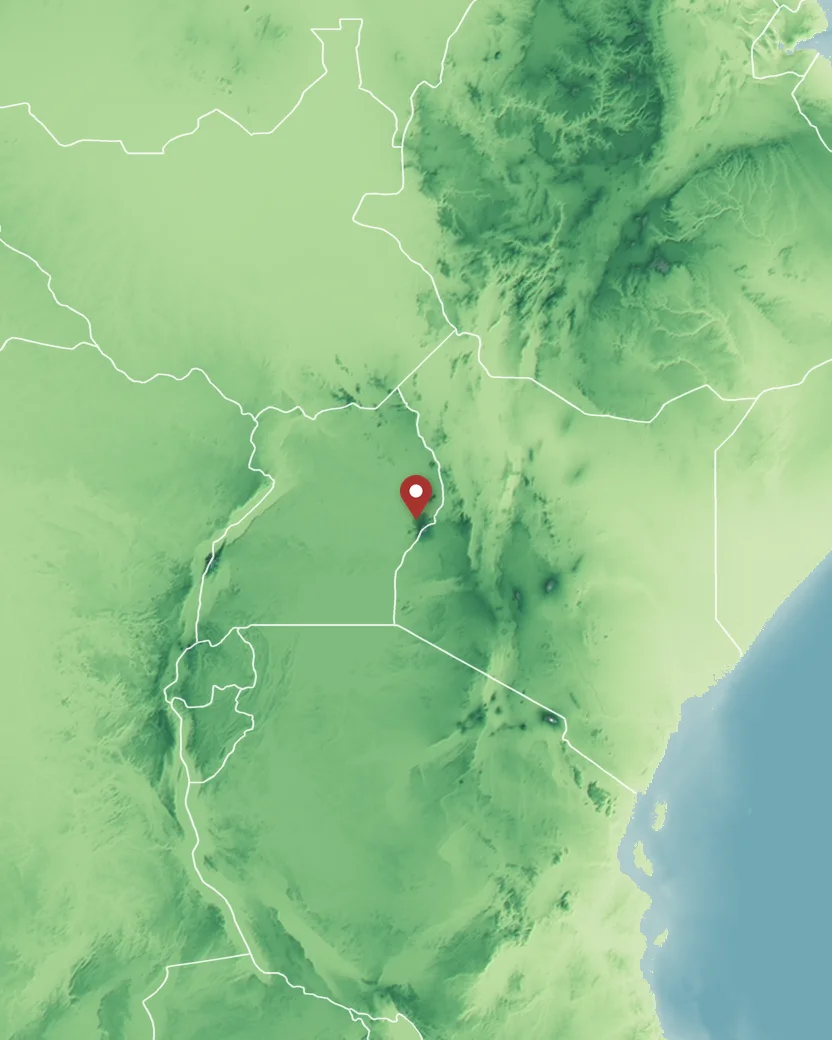
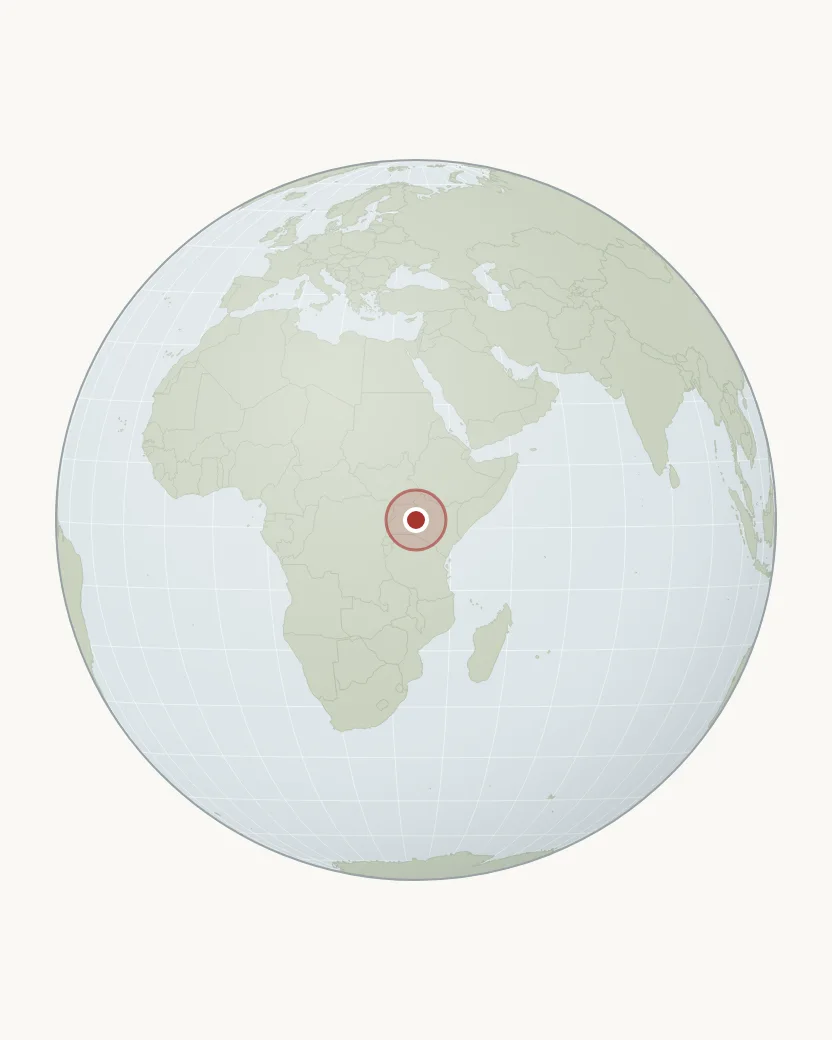
Topographic map of the origin of Burundi Nyabiraba Kinama
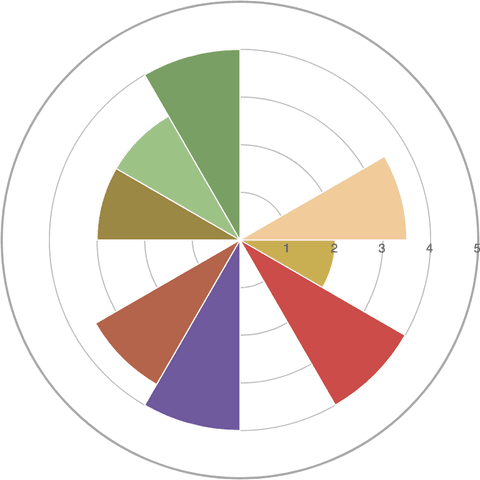
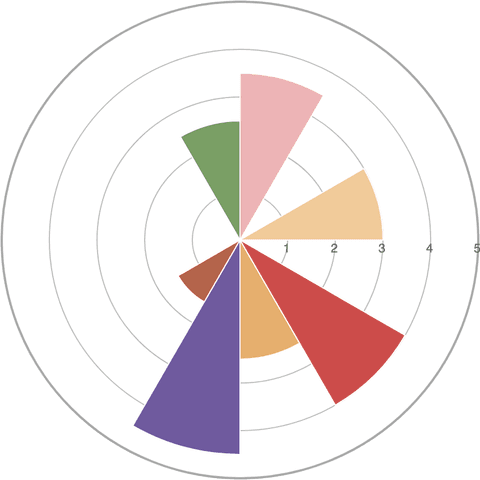
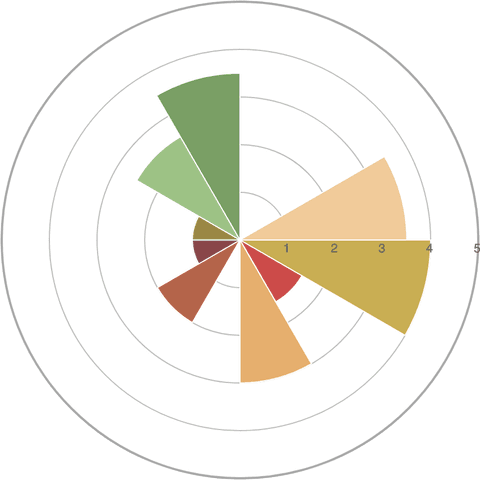
Flavor wheel for Burundi Dry Process Nyabiraba Kinama from the importer: strong body, fruits, berry and cocoa with sugars, caramel, spice and rustic notesIntensity scale 0–5

Burundi Nyabiraba Kinama

View coffee →
Country
Burundi
Region
Collines Kinama, Nyabiraba Commune
Washing station
Kinama
Altitude
1650 m.a.s.l.
Grade
A1
Varieties
Bourbon
Processing
Natural
Harvest
February 2026 (estimated)
Arrival
May 2026
Cupping score
89.0 (importer)
Recommended for espresso
Not our pick

The origin

The Kinama mill is a coffee processing site in Nyabiraba Commune at 1,650 meters, serving farmers on and around Kinama Hill. It is run by the same team as the nearby Migoti washing station. For now it produces only dry process coffee while a wet mill is built out for future washed lots, and that dry processing gives this lot its fruit-forward, rustic character. The importer also found it very flexible in the roaster.

Tasting notes

Mango · Dark Chocolate · Cranberry

Caramel and unrefined sugars with dark berry and raspberry, and cocoa in the background. As it cools, jellied cranberry, blueberry preserves, and mango tea come forward, finishing with rustic cocoa powder, dark chocolate, and coriander.

VELDT Colombia Tolima Regional Excelso 12 oz bag
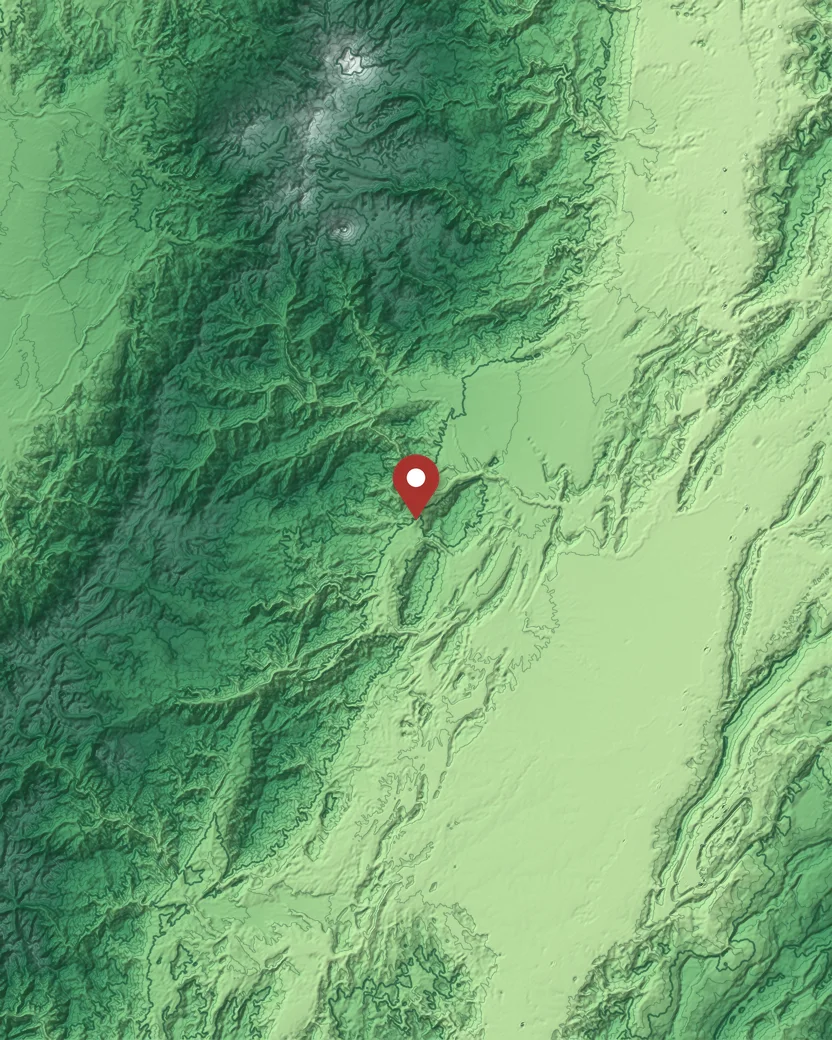
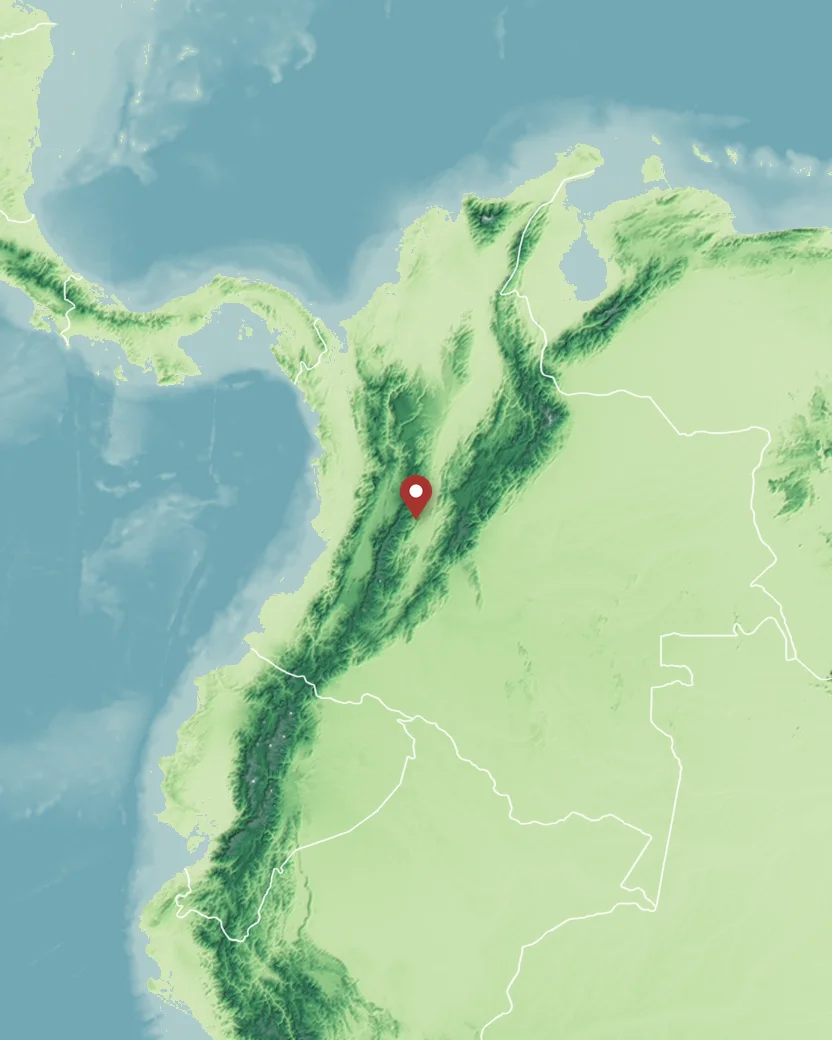
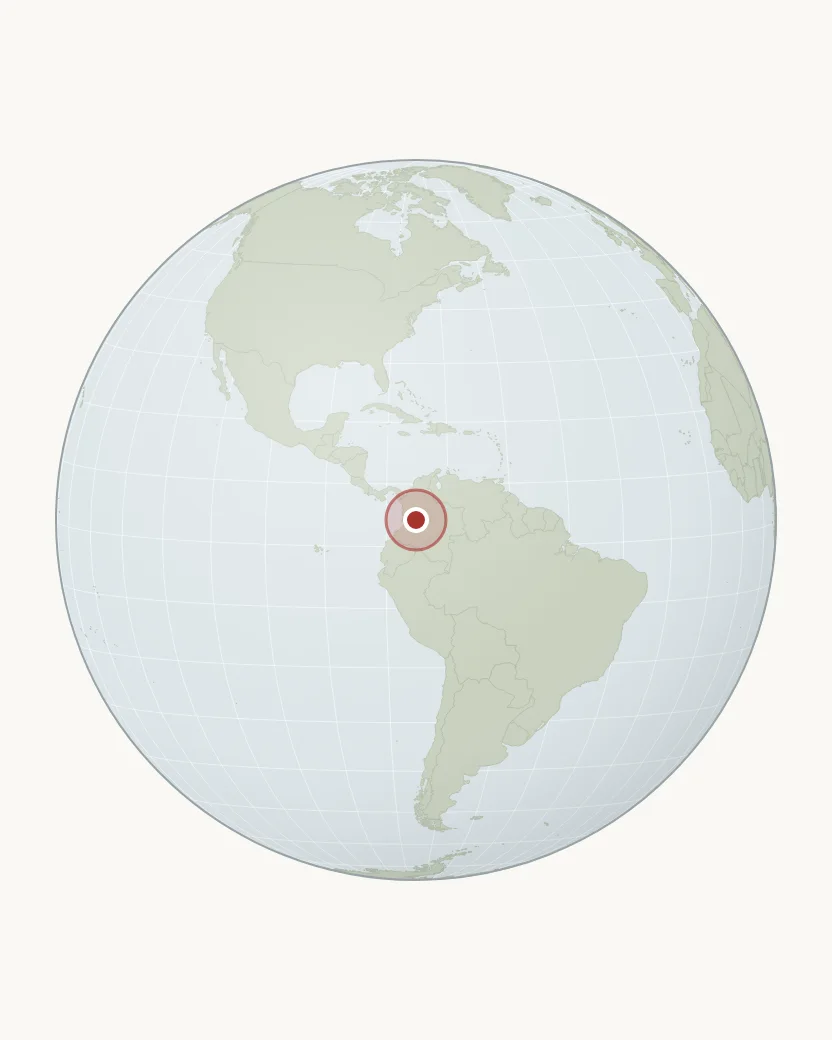
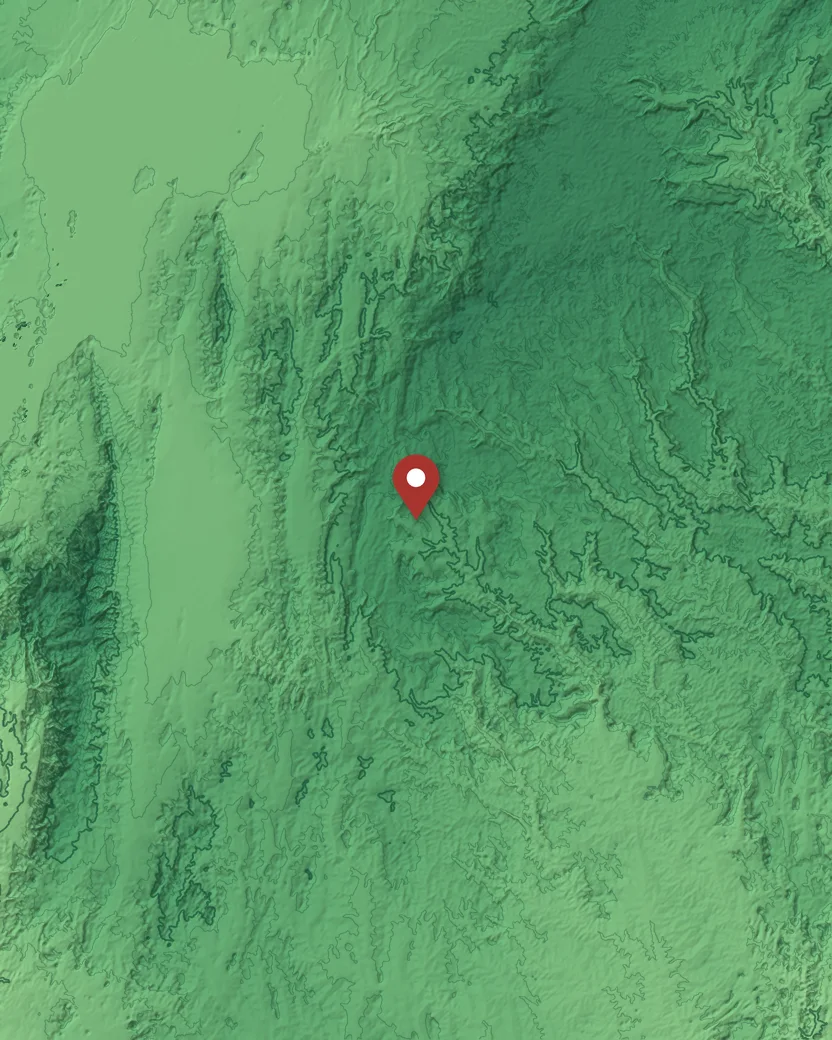
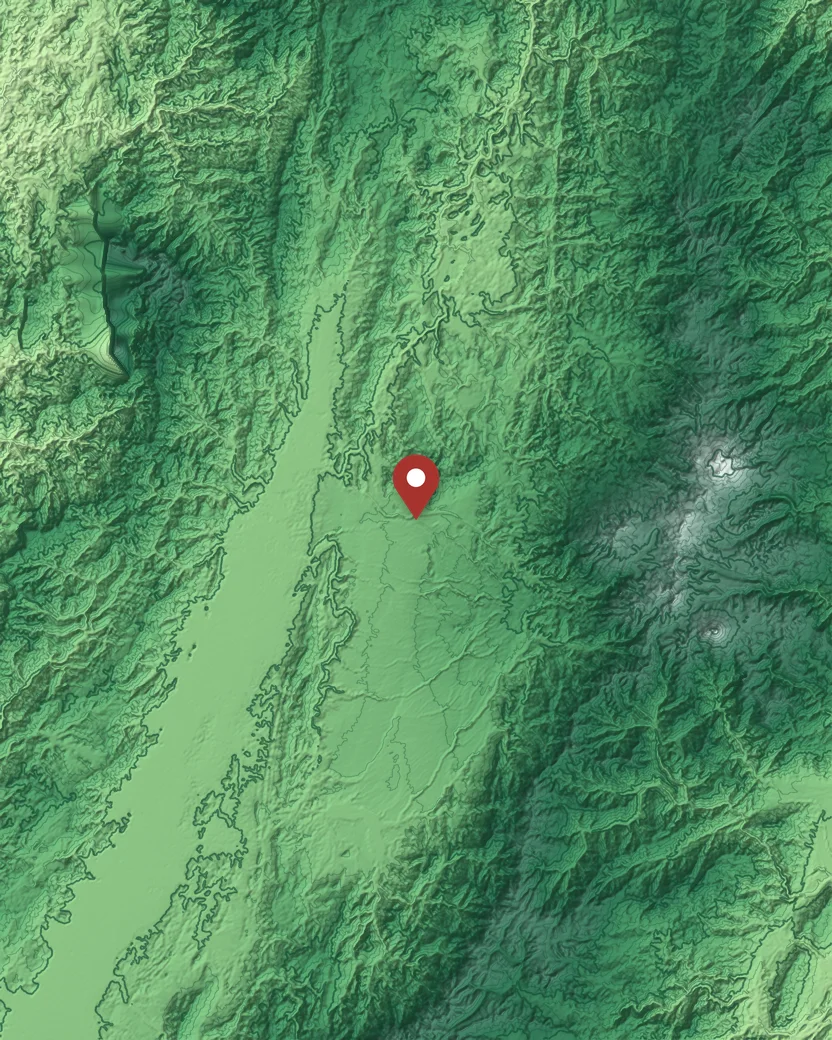
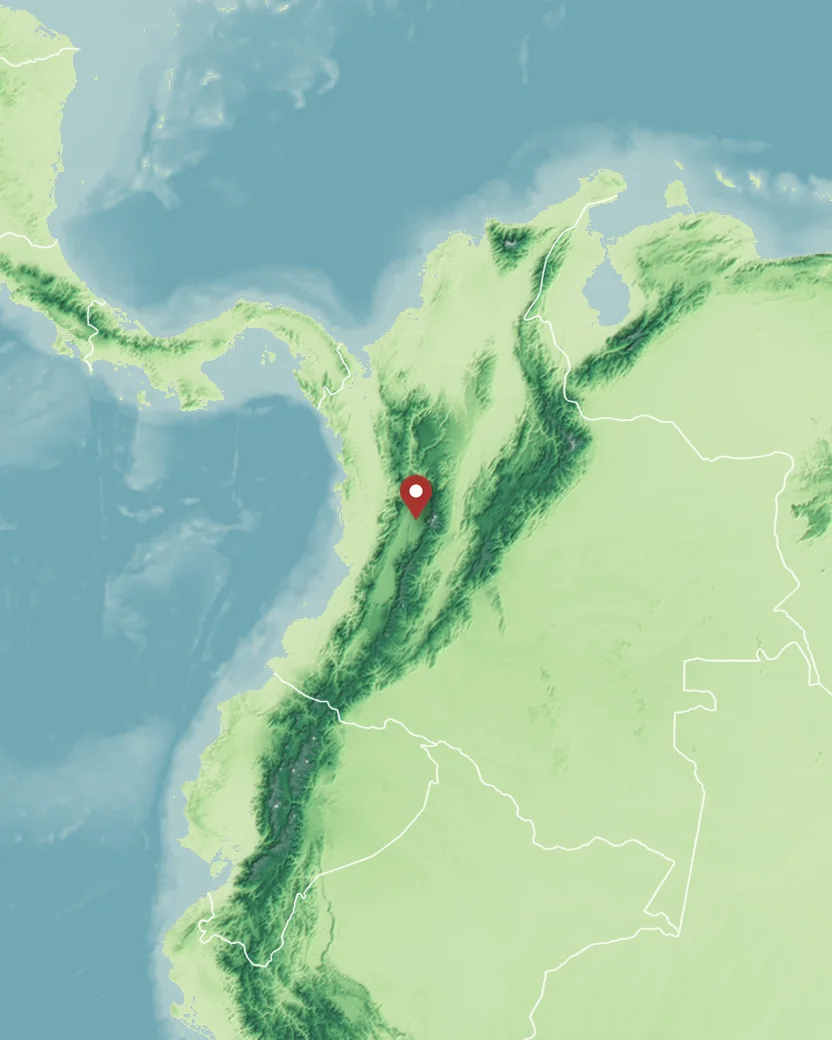
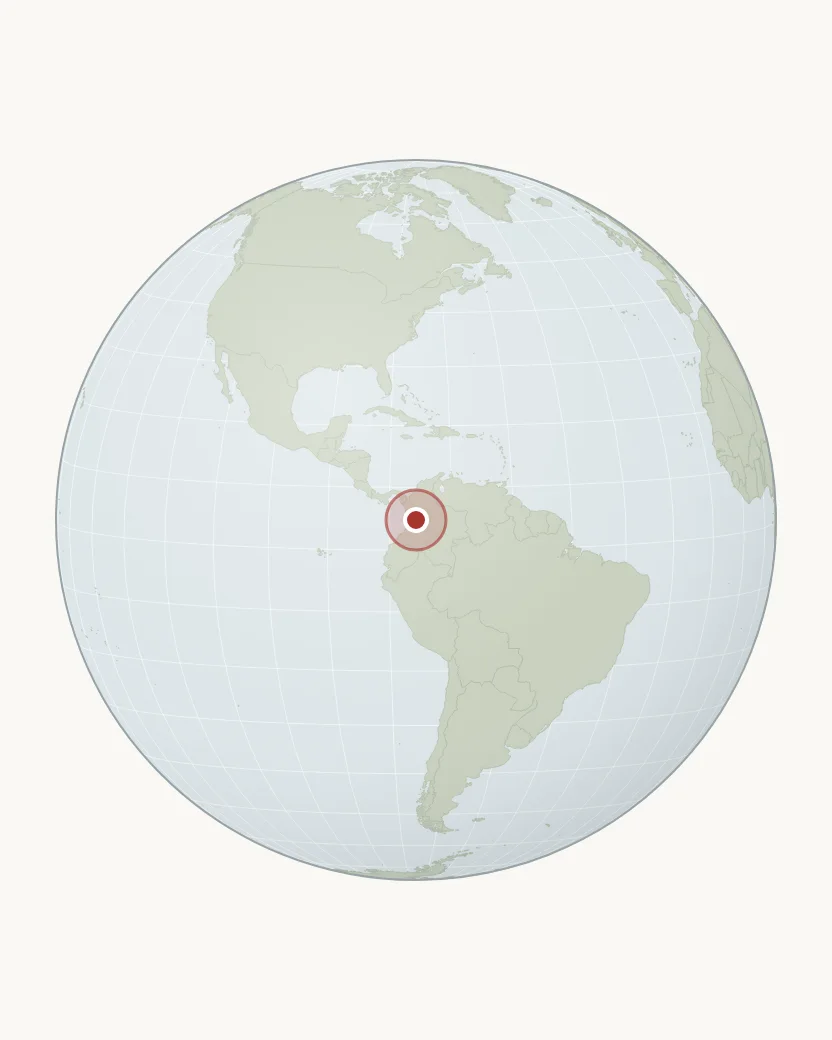
Topographic map of the origin of Colombia Tolima Regional
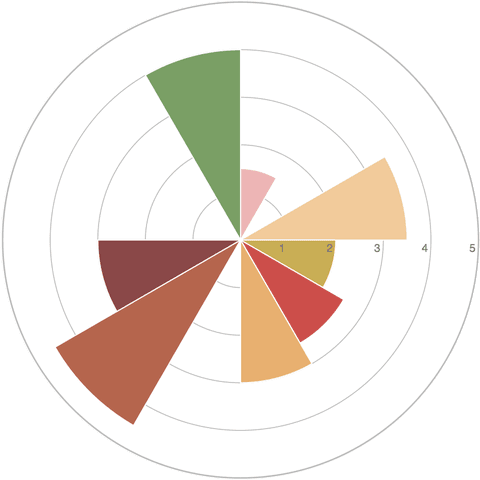
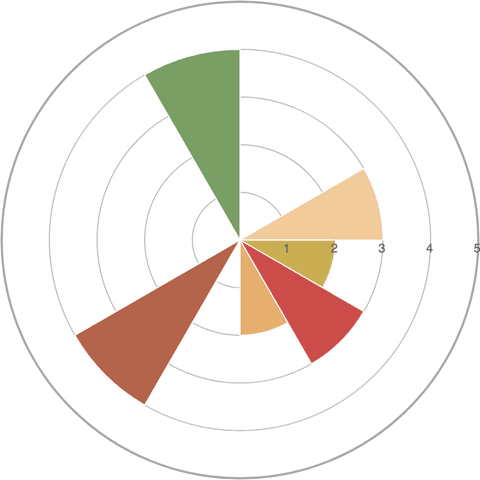
Flavor wheel for Colombia Tolima Regional Excelso, illustrated from the importer’s tasting notes: strong cocoa and body, with sugars, nuts, citrus, fruit, caramel and floralIntensity scale 0–5

Colombia Tolima Regional

View coffee →
Country
Colombia
Region
Tolima
Farm
Multiple regional producers
Altitude
1600–2200 m.a.s.l.
Grade
Excelso
Varieties
Castillo, Caturra
Processing
Washed
Harvest
April 2026
Arrival
July 2026
Cupping score
84.25 (importer)
Recommended for espresso
Yes

The origin

Tolima covers almost every kind of tropical mountain climate, from glacial peaks above 5,000 m down to warm valley floors near 400 m. This lot grows on volcanic ash soils at 1,600–2,200 m. It is fully washed and dried on raised beds or patios in the traditional way. Those soils and the farmers’ careful wet milling and drying are what give Tolima coffee its clean, heavy-bodied, sweet cup.

Tasting notes

Cherry · Dark Chocolate · Orange Blossom

Fragrance of cherry, chocolate, and soft orange blossom with a wet aroma of dark chocolate and hazelnut. The cup has flavors of rich chocolate, sweet panela sugar, and nougat. A medium citric acidity is balanced with a heavy body and dark chocolate finish.

Ethiopia Yirgacheffe Kochere
Topographic map of the origin of Ethiopia Yirgacheffe Kochere
Flavor wheel for Ethiopia Yirgacheffe Kochere Natural, illustrated from the importer’s tasting notes: strong berry and fruit, with floral, sugars, citrus, body and a little cocoaIntensity scale 0–5

Ethiopia Yirgacheffe Kochere

View coffee →
Country
Ethiopia
Region
Kochere, Yirgacheffe
Washing station
Boledu Coffee
Altitude
1900–2250 m.a.s.l.
Grade
1
Varieties
Heirloom
Processing
Natural
Harvest
January 2026
Arrival
July 2026
Cupping score
86.25 (importer)
Recommended for espresso
Not our pick

The origin

More than 8,500 smallholder farmers in Kochere grow this coffee organically on family plots handed down through generations, intercropped with avocado, enset, and soya beans for food security and varied livelihoods. Boledu Coffee washing station’s supply chain is organically certified and traceable. Boledu keeps to tradition while experimenting with anaerobic and cold-washed methods alongside classic naturals and washed coffees, and its work has earned international recognition, including Cup of Excellence awards.

Tasting notes

Boysenberry · Fruity Pebbles · Cocoa

Fragrance and aroma of boysenberry, orange blossom, and cocoa. Notes of berries and fruity cereal with a floral aftertaste. Medium orange-like acidity with a medium, milky body and a sugary, fruit-like sweetness.

VELDT Guatemala Coban 12 oz bag
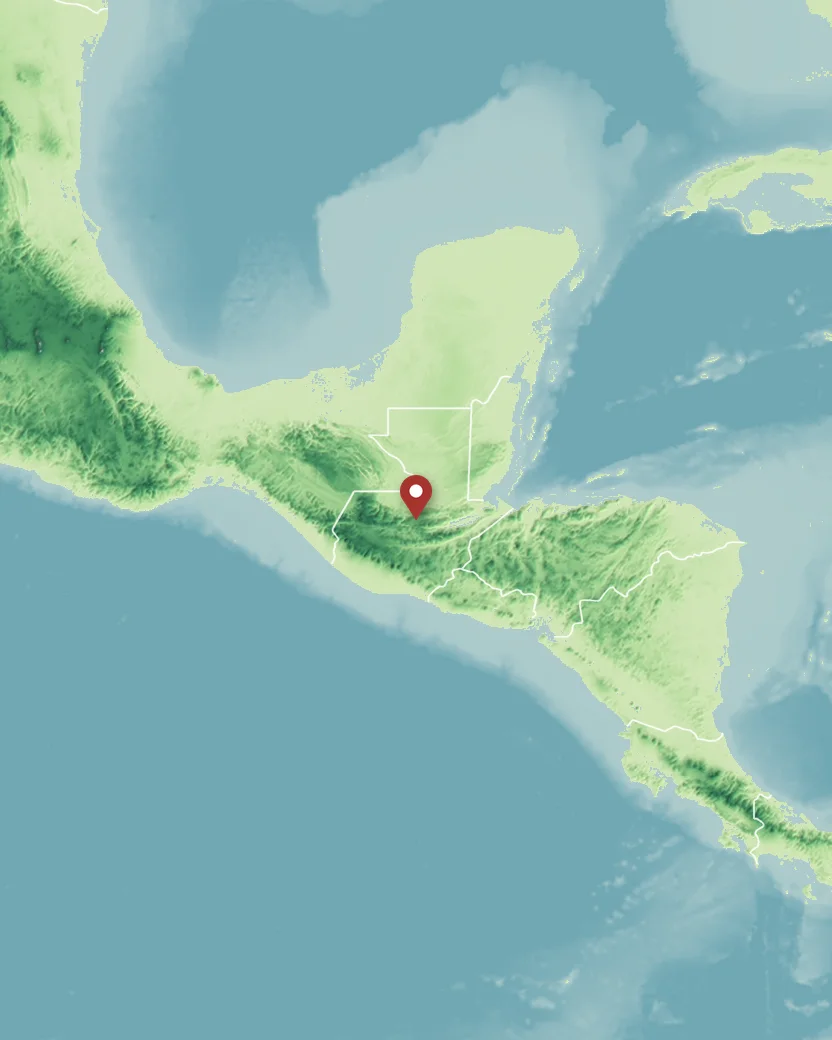
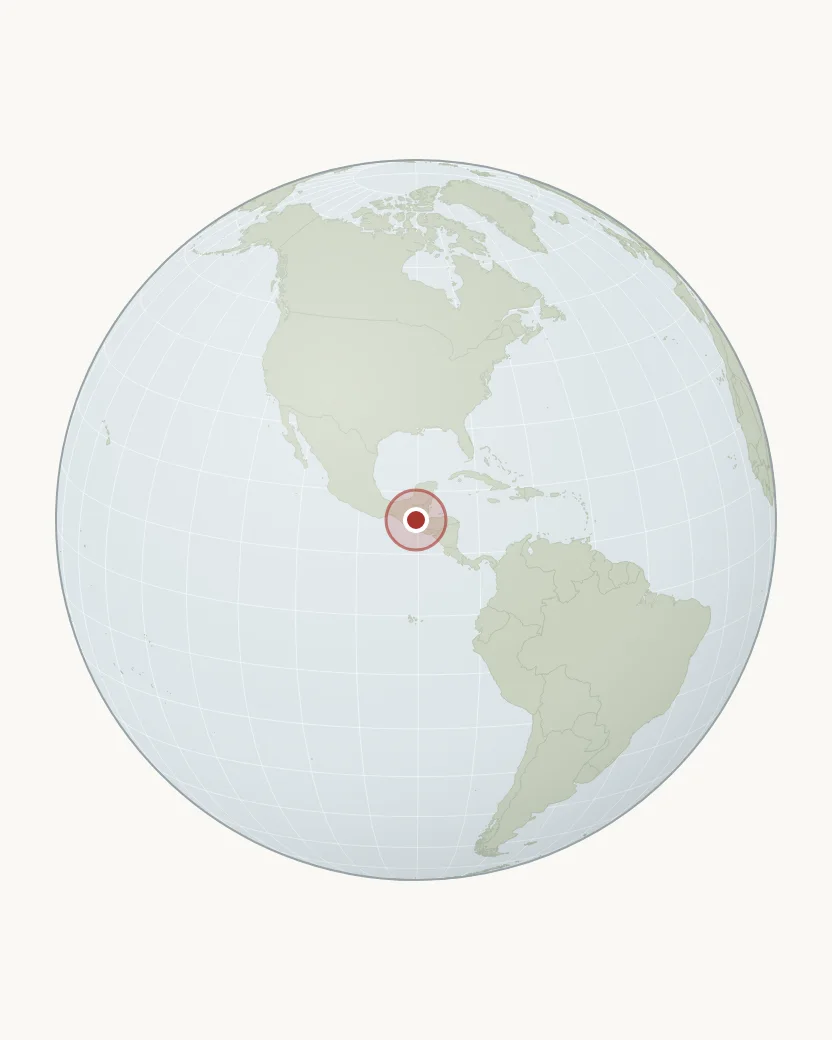
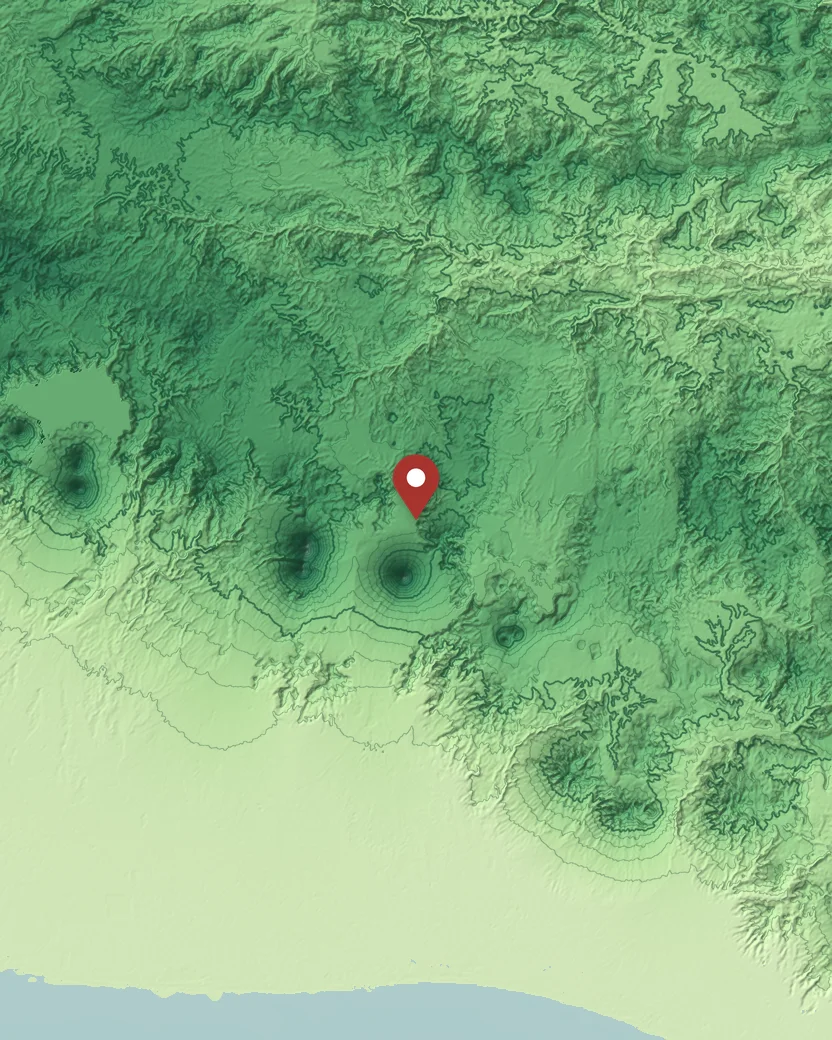
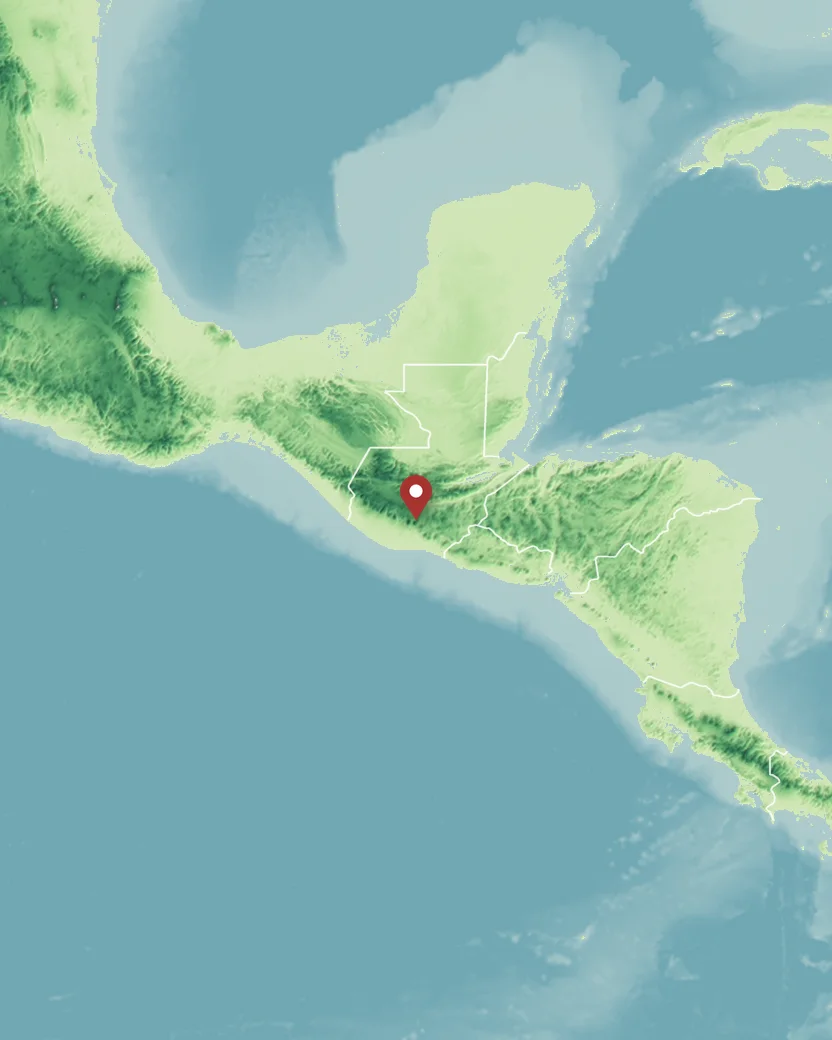
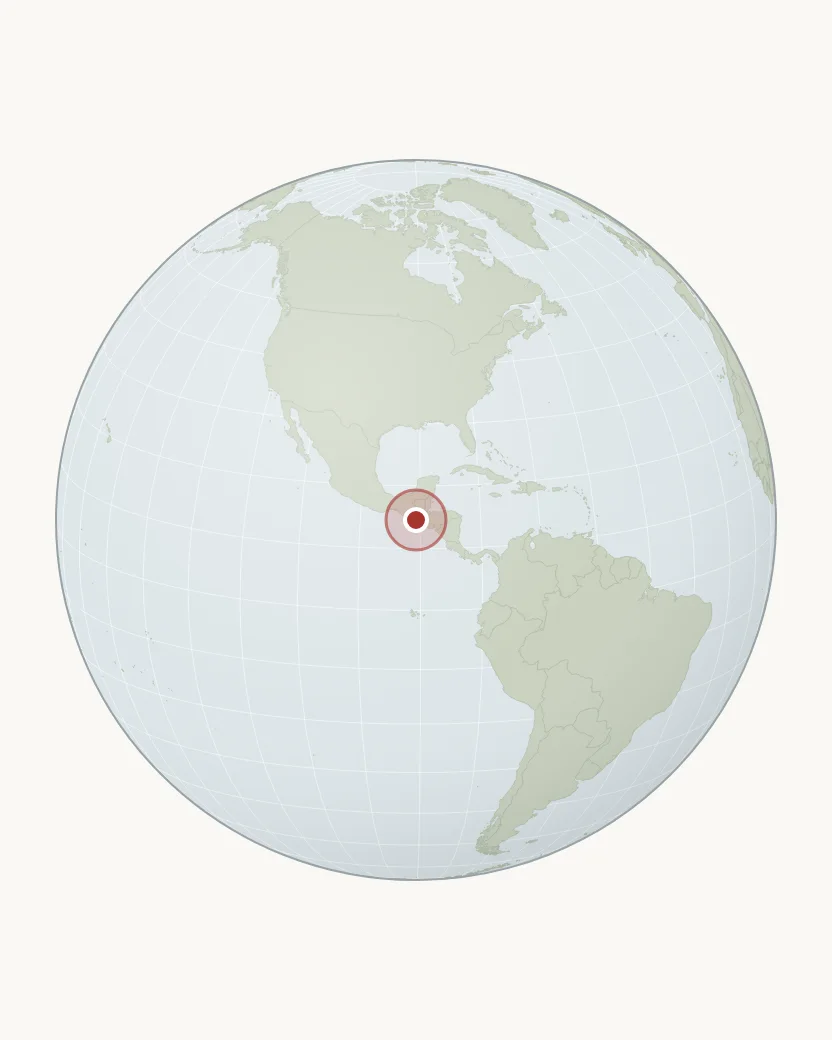
Topographic map of the origin of Guatemala Cobán Chichupak
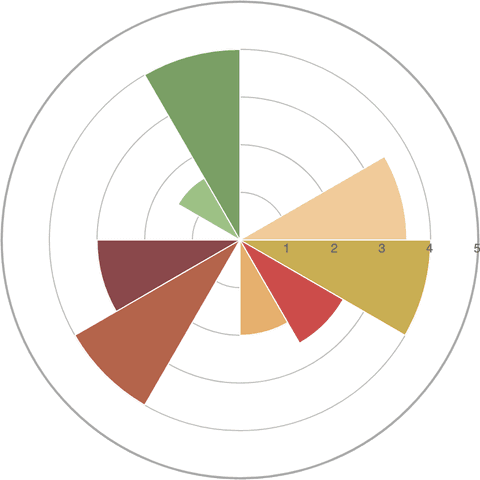
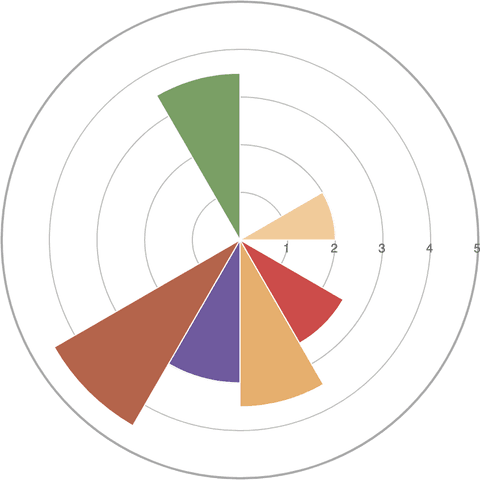
Flavor wheel for Guatemala Coban Chichupak Coop showing body, cocoa, caramel, sugars, spice, nuts and fruitsIntensity scale 0–5

Guatemala Cobán Chichupak

View coffee →
Country
Guatemala
Region
Alta Verapaz, Cobán
Washing station
Chichupak cooperative
Altitude
1600–2000 m.a.s.l.
Grade
SHB EP
Varieties
Bourbon, Caturra, Catuaí, Catimor, Pache
Processing
Washed
Harvest
March 2026 (estimated)
Arrival
June 2026
Cupping score
87.5 (importer)
Recommended for espresso
Yes

The origin

The Chichupak cooperative takes its name from a local plant used to make soap. Formed in the early 1980s by a tight-knit community of subsistence farmers, the co-op built its own communal wet mill, fermentation tanks, and raised drying beds, at elevations between 1,600 and 2,000 meters. The result is a balanced, versatile lot with fruited accents that holds up whether brewed or pulled as espresso.

Tasting notes

Chocolate · Caramel · Candied Walnut · Dried Apple

Fragrance of chocolate and caramel with toasted nut accents. Brewed, a pleasantly caramelized note rises in the steam with hints of graham cracker and cinnamon toast. The cup has a chocolate-caramel sweetness, think Rolo candy, with candied walnut and dried apple, and a refreshing lemon and cherry acidity that is well integrated into the profile. Darker roasts bring more intense bittersweet chocolate, a syrupy body and a hint of toasted almonds dipped in dark chocolate.

Guatemala Antigua El Pesadero
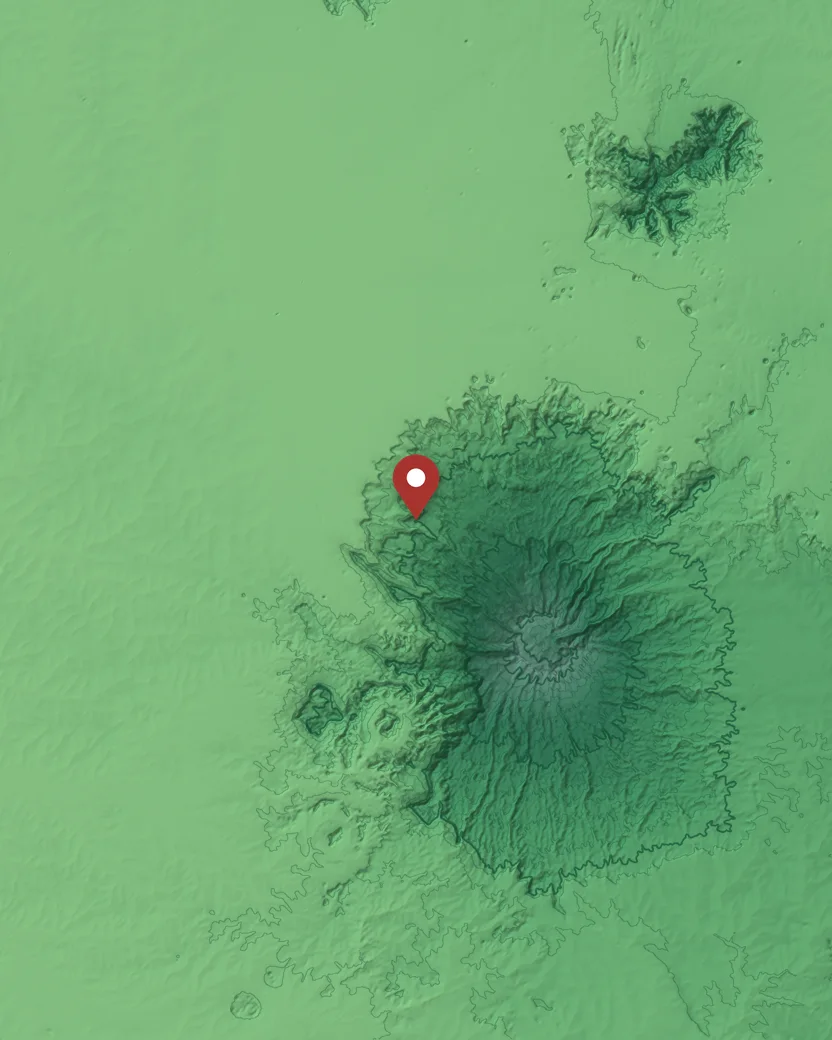
Topographic map of the origin of Guatemala Antigua El Pesadero
Flavor wheel for Guatemala Antigua El Pesadero, illustrated from the tasting notes: dark chocolate, with elderberry, citrus, fruit, cream and bodyIntensity scale 0–5

Guatemala Antigua El Pesadero

View coffee →
Country
Guatemala
Region
San Cristobal el Bajo aldea, Antigua Municipality
Farm
El Pesadero (Stuardo Coto)
Lot
Jauja
Altitude
1500 m.a.s.l.
Grade
SHB
Varieties
Various
Processing
Washed
Harvest
March 2025
Arrival
September 2025
Cupping score
86.00 (importer, SCA)
Recommended for espresso
Yes

The origin

El Pesadero is a farm in San Cristobal el Bajo, in the Antigua Valley of Guatemala, grown by Stuardo Coto. Antigua is ringed by three volcanoes (Agua, Acatenango and Fuego), and its rich volcanic soil, warm days, cool nights and high winds create a microclimate growers have sought out for many years. This is the Jauja lot, a mix of varieties graded SHB (strictly hard bean) and washed, with a profile crafted by the Coto family. The result is a dark-chocolate-forward cup with elderberry sweetness and a creamy citrus finish.

Tasting notes

Dark Chocolate · Elderberry · Lemongrass · Citrus Fruit

Fragrance and aroma of dark chocolate and elderberry. Notes of dark chocolate, lemongrass, and citrus fruit with a sweet aftertaste of cream, grape, and pomegranate. Medium citric and malic acidity with a juicy mouthfeel and a medium-heavy body.

Uganda Kapchorwa Kabeywa
Topographic map of the origin of Uganda Kapchorwa Kabeywa
Flavor wheel for Uganda Kapchorwa Kabeywa from the importer: strong body and sugars with caramel, plus spice, fruit, citrus, berry and cocoaIntensity scale 0–5

Uganda Kapchorwa Kabeywa

View coffee →
Country
Uganda
Region
Kapchorwa
Altitude
About 1,950 m.a.s.l.
Varieties
SL-28, SL-14, Catuaí, Costa Rica 95
Processing
Washed
Harvest
April 2026 (estimated)
Arrival
July 2026
Cupping score
88 (importer)
Recommended for espresso
Yes

The origin

Kapchorwa sits at roughly 1,950 meters, among the highest-elevation coffee in the region. The washing station has about 1,000 registered farmers growing a mix of varieties, mostly SL-28 alongside SL-14, Costa Rica 95, and Catuaí. Cherries are pulped on a water-conserving Penagos pulper, fermented around 12 hours, washed in tile channels, then dried on raised beds for about 12 days before finishing in a mechanical dryer.

Tasting notes

Creamy Caramel · Dark Toffee · Raw Sugar · Vanilla Malt

A very clean-smelling cup with sweet notes of raw sugar and vanilla malt, and subtle spice accents of clove and root beer. Brewed, it turns more deeply sweet: brûlée sugar, ginger snap cookies and almond brittle, with a hint of black tea. Creamy caramel, dark toffee and turbinado sugar carry the middle, with ripe lemon and zest giving a sparkling acidity that stays well integrated with the sweetness. As it cools, faintly tart dried goji berry, lemon tea and a haze of cocoa in the aftertaste.

Colombia EA Sugarcane Decaf
Topographic map of the origin of Colombia EA Sugarcane Decaf
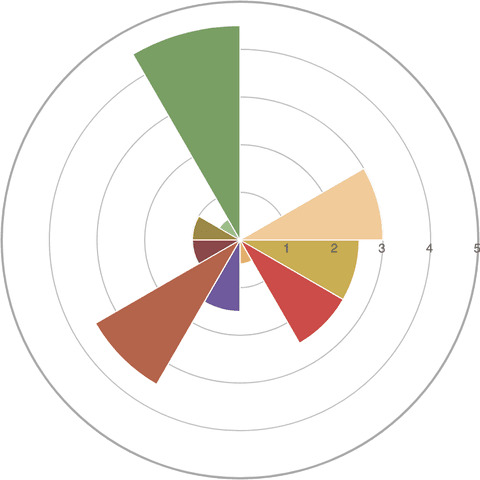
Flavor wheel for Colombia EA Sugarcane Decaf, illustrated from the tasting notes: fruit and cocoa with sugars, caramel and bodyIntensity scale 0–5

Colombia EA Sugarcane Decaf

View coffee →
Country
Colombia
Region
Risaralda Department
Farm
Multiple local producers
Altitude
1200–1900 m.a.s.l.
Grade
Excelso
Varieties
Colombia, Castillo, Caturra
Processing
Washed
Decaffeination
Sugarcane EA (ethyl acetate)
Harvest
May 2026
Arrival
October 2026
Cupping score
84.88 (importer, SCI)
Recommended for espresso
Yes

The origin

The Risaralda Department is in the central part of Colombia, in the coffee growing region known as “Eje Cafetero”, a smaller region between the Central and Western mountain ranges. It is convenient to both the Buenaventura port on the Pacific and the large cities of Bogotá and Medellín. Multiple local producers grow a mix of Castillo and Caturra between 1,200 and 1,900 meters above sea level, in sandy and clay soils. The coffee is fully washed and dried on patios or raised beds, depending on the topography and conditions, and was harvested in May 2026. It is decaffeinated with ethyl acetate (EA), a compound found naturally in many fruits and made from fermented sugarcane, which is why it is called a sugarcane decaf. Over about eight hours, steam and low pressure let the EA bind to the caffeine and carry it out of the green coffee. A final steam removes any trace of the EA.

Tasting notes

Fudge · Vanilla · Cocoa Butter · Cherry

Fragrance and aroma of cocoa butter and cherry. Up-front notes of fudge, vanilla, and cocoa butter with an aftertaste of orange and cherry. Medium malic acidity with a heavy body and a juicy mouthfeel.

Crema Classica
Flavor wheel for Crema Classica, illustrated from the tasting notes: strong body and cocoa, with sugars, caramel, dried fruit and berry, and a little nuts, rustic roast and orangeIntensity scale 0–5

Crema Classica

View coffee →
Type
Blend: 65% Arabica, 35% Robusta
Arabica
Guatemala or Colombia
Robusta
El Salvador (Finca Colomba, Oro Tinto, honey process) and India (Kerehaklu Estate, Chikmagalur; anaerobic mossto-inoculated natural process)
Recommended for espresso
Yes

The origin

Crema Classica is a blend of 65% arabica from either Guatemala or Colombia and 35% robusta from El Salvador and India. We offer it year-round, so the mix of origins depends on the season and what we have available. Each lot is chosen to give the blend its body and a thick, persistent crema and to keep it consistent from bag to bag.

Arabica: Guatemala (65%)

A washed arabica from a mix of lots and cultivars. Our Guatemalan lots include coffee from the Antigua Valley, which is ringed by three volcanoes (Agua, Acatenango and Fuego). Its rich volcanic soil, warm days, cool nights and high winds create a microclimate growers have sought out for many years.

Arabica: Colombia (65%)

A washed arabica from a mix of lots and cultivars, chosen to bring the blend sweetness and balance.

Robusta: El Salvador (35% with India)

An experimental honey-process lot from Finca Colomba, a farm on the slopes of the Santa Ana Volcano, in rich volcanic soil above 1,500 meters. Its manager, Don Mario, is diversifying varieties as climate change puts pressure on the farm. The lot is prepared at the farm’s own dry mill, with ten women who head their households overseeing the final quality check by hand. The farm employs 80 people year-round and up to 210 at harvest, and supports local schools and healthcare.

Robusta: India (35% with El Salvador)

Congusta, a robusta hybrid with a sweeter cup, grown at Kerehaklu Estate, a 250-acre family estate in Chikmagalur in the Western Ghats. Its cherries are inoculated with mossto made on the farm and fermented without oxygen for 62 hours before being laid out to dry as a natural.

Tasting notes

Chocolate · Dried Berry · Sweet Malt

A rich, creamy espresso with low acidity: dark chocolate and caramel sweetness from the arabica, with cherry cordial, dried fruit sweetness and a touch of orange from the robusta, a sweet malty finish, and a heavy, creamy body. We choose our arabicas and robustas for similar cup profiles, so the finer details shift a little with the season’s lots, but the character stays the same.

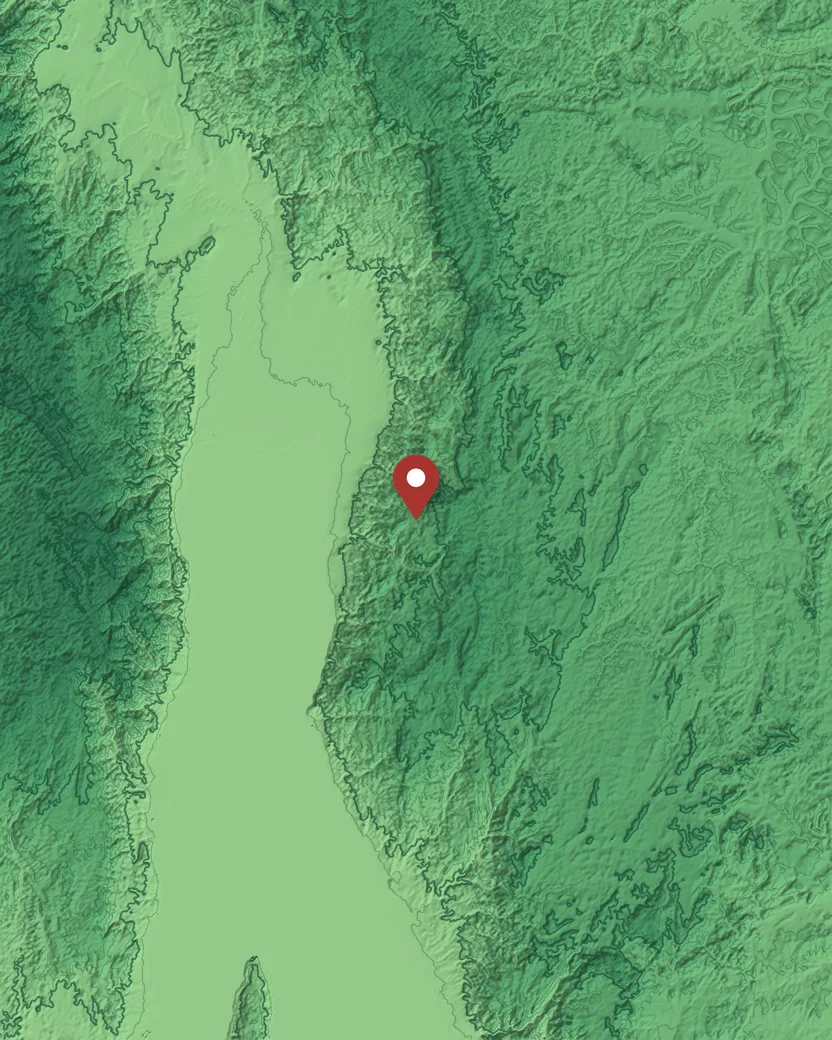
Map terrain: NASA SRTM and other public-domain elevation data (Terrain Tiles). Borders and coastlines: Natural Earth.

How We Source

Importers we trust, sourcing details we share

Importer Relationships

We source through specialty coffee importers, drawing on their knowledge of producers, regions, and harvests to select our coffees. We look for quality in the cup and clear information about where each coffee comes from.

Know Your Coffee

Each coffee’s product page includes its origin, region, cultivar, and processing method where known. We also share farm, producer, and lot details when available, so you can explore the coffee beyond its tasting notes.

Selection

What we look for in a lot

We select coffees for their clarity, sweetness, and distinctive flavor. Each brings something different to the menu, from chocolate and caramel to vibrant fruit.

Clarity

Distinct flavors that are easy to appreciate, with a clean finish that lets them come through.

Sweetness

Natural sweetness that brings balance and depth to the cup, whether it reminds us of caramel, ripe fruit, or brown sugar.

Character

Something memorable about the coffee—a flavor or texture that reflects its cultivar, growing conditions, and processing.

Explore the lineup

Roasted in Eagle Mountain, Utah in small batches and shipped fresh to order.

Shop Coffee